Millets vs Rice
Millets generally offer superior nutritional value per rupee compared to market-sold (mostly polished white) rice in India, especially for protein, fiber, iron, calcium, and lower glycemic impact.
| Grain | Calories | Protein (g) | Fiber (g) | Iron (mg) | Calcium (mg) | GI |
|---|---|---|---|---|---|---|
| Ragi (Finger Millet) | 328 | 7.3 | 3.6 | 3.9 | 344 | 54–68 |
| Foxtail Millet (Navane) | 351 | 12.3 | 8.0 | 2.8 | 31 | 50–60 |
| Jowar (Sorghum) | 349 | 10.4 | 2.7 | 4.1 | 25 | 62–70 |
| Bajra (Pearl Millet) | 361 | 11.0 | 1.2 | 8.0 | 42 | 55–65 |
| Little Millet (Saame) | 341 | 7.7 | 7.6 | 9.3 | 17 | ~52 |
| Barnyard Millet (Oodalu) | 307 | 6.2 | 12.6 | 15.2 | 20 | ~50 |
| Kodo Millet (Varagu) | 309 | 8.3 | 9.0 | 0.5 | 27 | ~52 |
| Proso Millet (Baragu) | 341 | 11.0 | 2.0 | 3.0 | 14 | ~58 |
| Browntop Millet (Korale) | 350 | 11.5 | 12.5 | 0.5 | trace | ~50 |
| White Rice (polished) | 345 | 6.8 | 0.2 | 0.7 | 10 | 72 |
| Brown Rice | 362 | 7.9 | 3.5 | 0.9 | 23 | ~68 |
| Whole Wheat (atta) | 341 | 13.7 | 11.2 | 4.9 | 48 | ~62 |
| Maida (refined wheat) | 348 | 10.3 | 0.5 | 1.2 | 15 | ~85 |
Data Source: IFCT 2017
Key nutrition comparison (per 100g raw grain, typical values):
- Calories: Similar (millets 307–361 kcal vs. white rice ~345 kcal).
- Protein: Millets often higher (e.g., foxtail 12.3g, bajra 11g, jowar 10.4g) vs. rice 6.8g.
- Fiber: Dramatically higher in millets (e.g., barnyard ~10–12.6g, foxtail 8g, many 3–9g) vs. rice ~0.2g — often 25–60x more.
- Iron: Millets stronger (bajra ~8mg, little millet ~9mg) vs. rice ~0.7mg.
- Calcium: Ragi exceptional (~344mg) vs. rice ~10mg; others vary but generally better.
- GI (glycemic index): Millets lower (often 50–65) vs. white rice ~72+ — better for blood sugar control.
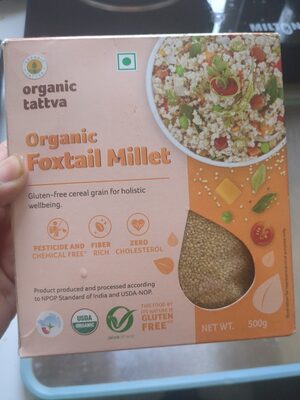 |
| Image - Open Food Facts |
Compared to rice, millets are modestly more expensive at retail but higher satiety (from fiber) can mean lower overall consumption. The same money buys similar or more calories from millets, plus substantially more protein/fiber/minerals. Millets' higher nutrient density and fullness factor often make them more economical long-term for health outcomes (e.g., diabetes management, anemia prevention, digestion). Brown rice narrows some gaps but still lags millets on fiber and key minerals.
Millets use about 70% less water than paddy rice to produce the same amount of grain, which makes a big difference in a country struggling with groundwater depletion and unpredictable monsoons.
Millets shine in value for nutrient-dense diets, though rice remains cheaper and more available in some subsidized/PDS contexts.
co-written with Grok


Comments
Post a Comment