Vanilla
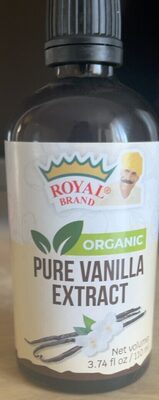 |
| Image - Open Food Facts |
Vanilla is widely used in desserts, baked goods, and body products, offering both flavor and long-recognized health benefits.
Its medicinal benefits have been recognized since ancient times, with 15th-century Aztec physicians in Mexico using the orchid pods to alleviate stress and mental strain.
Vanillin, the principal bioactive compound in vanilla, imparts its distinctive sweet aroma and flavor while contributing minimal sugar. It is formally recognized as a safe food additive by the World Health Organization, the U.S. Food and Drug Administration, and the Food Safety and Standards Authority of India.
Vanilla’s medicinal properties are primarily attributed to vanillin. It helps soothe coughs, lower blood pressure, and has mild antidepressant effects. Additionally, it promotes wound healing and exhibits antibacterial and antifungal activity.
In India, the vanilla plant was introduced during the British colonial era and is currently cultivated in Kerala, Karnataka, and Tamil Nadu.
Some products prominently display "Vanilla" on the front label even though they contain artificial vanilla flavor, so be sure to check the ingredients carefully.
🍦🍨🍰🧁


Comments
Post a Comment