Orkla India
Orkla (the Norwegian industrial and FMCG conglomerate) officially entered the Indian market in 2007 when it acquired iconic Bangalore-based food brand MTR Foods. MTR was founded in 1924, giving the company over 100 years of culinary credibility.
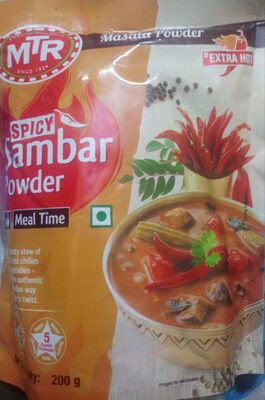
Orkla India ranks among the top 4 players in India’s overall packaged spices and convenience food sector by revenue. Rather than operating as a thin pan-Indian player, it focuses on hyper-regional dominance and export strength.
Key milestones in its India expansion timeline:
- 2007: Acquired MTR Foods to establish its presence in South India.
- 2011–2012: Expanded into North Indian ready-to-cook gravies by acquiring Pune-based Rasoi Magic.
- 2017: Orkla launched Laban, its Norwegian human-shaped chewy candy brand, locally manufactured in Bengaluru to enter India's high-margin confectionery market.
- 2021: Acquired a majority stake in Kerala-based Eastern Condiments.
- 2023: Merged MTR, Eastern, and subsidiary brands under a unified corporate entity, Orkla India.
- January 2025: Launched Wok N Roll to enter the fast-growing Indo-Chinese and pan-Asian sauce, condiment, and stir-fry mix category.
- Late 2025: Formally listed Orkla India on the Indian stock exchanges.
What They Make
- Everyday Spices & Masalas (65% of sales): Pure ground spices (like chilli and turmeric) and regional blend mixes that give dishes their signature local flavor.
- Quick Meals & Breakfasts (35% of sales): Instant breakfast mixes (like idlis and dosas), ready-to-eat packaged meals, sweets, and fresh batters.
- Regional Roots: Deeply focused on South Indian tastes, which account for 70% of total revenue. The rest comes from exports to countries with large Indian populations (21%) and northern/western India (9%).
Nutrition & Modern Eating
- Traditional to Health-Focused: While best known for classic comfort foods, the company is shifting toward healthier, functional options.
- Protein Boost: Introducing high-protein breakfast ranges designed for health-conscious and younger consumers.
- Plant-Based Export Lines: Adapting classic recipes for overseas markets, including non-dairy ready-to-eat meals tailored to European health standards.
Price & Value
- Budget-Friendly Entry: Everyday breakfast mixes and quick 3-minute meal pouches start at accessible entry-level prices (₹24–₹30), making them easy daily options for students and busy professionals.
- Smart Inflation Handling: Raw spice prices can fluctuate wildly (chilli costs recently jumped 78%). To protect shoppers, Orkla absorbs some cost swings on complex masala blends while adjusting prices directly on pure single-ingredient spices.
Market Position & Standings Among Competitors
Orkla India ranks among the top 4 players in India’s overall packaged spices and convenience food sector by revenue. Rather than operating as a thin pan-Indian player, it focuses on hyper-regional dominance and export strength:
- Regional Market Leader: Orkla is the dominant player in South India which accounts for ~70% of its domestic revenue. Rest of India makes up 9%.
- Export Heavyweight: Around 20%–21% of its revenue comes from exports to over 40 countries—predominantly serving the non-resident Indian (NRI) diaspora in the GCC/Middle East, North America, and Europe.
Where It Stands Against Major Competitor Groups
| Competitor Type | Key Players | Competitive Edge |
|---|---|---|
| National FMCG Giants | Tata Consumer Products, ITC (Aashirvaad, Sunrise) | Pan-India distribution scale and massive marketing budgets. |
| Legacy Spice Specialists | Everest, MDH, Badshah (Dabur) | Deep brand trust in northern and western regional masalas. |
| Convenience & Fresh Meal Brands | Gits, ID Fresh Foods, Haldiram's | Innovation in fresh batters, instant snacks, and ready-to-eat options. |


Comments
Post a Comment