Dalchini (true Cinnamon) vs Taj (Cassia): Differences, Coumarin Risk & FSSAI Standards
Walk into any Indian home or spice market and you’ll find cinnamon—warm, fragrant, and essential. It goes into garam masala, biryani, chai, kheer, and countless curries.
In Ayurveda it appears as tvak, valued for digestion, circulation, and balancing blood sugar. Yet the bark sold as “dalchini” is not always the same plant. Understanding the difference between true cinnamon (dalchini) and cassia (taj) matters for flavour, authenticity, and long-term health.
Both come from trees in the same genus, Cinnamomum. They are related branches of the same family tree, and both are legally sold as cinnamon in many places. Ceylon or true cinnamon (Cinnamomum verum, also called C. zeylanicum) is the delicate, multi-layered variety historically linked to Sri Lanka and parts of southern India. Cassia comes from other species (C. cassia, C. burmannii, C. loureiroi) grown mainly in China, Indonesia, and Vietnam. In India, true cinnamon is called dalchini and cassia is called taj. Most of the inexpensive “cinnamon” available in markets—whether in the United States or India—is actually cassia.
| Type | Scientific Name | Origin | Stick Look | Flavor | U.S. Label |
|---|---|---|---|---|---|
| 1. Ceylon Cinnamon | Cinnamomum verum | Sri Lanka | Thin, many papery layers | Mild, sweet, floral, citrus | Ceylon cinnamon |
| 2. Chinese Cassia | Cinnamomum cassia | China | Thick, hard, one curl | Strong, spicy, slightly bitter | Cinnamon / Chinese cinnamon |
| 3. Indonesian / Korintje | Cinnamomum burmannii | Indonesia | Thick, hard, one curl | Classic grocery-store cinnamon | Cinnamon (most cheap jars) |
| 4. Saigon / Vietnamese | Cinnamomum loureiroi | Vietnam | Thick, hard, one curl | Hottest, sweet-spicy | Saigon / Vietnamese cinnamon |
Note: Both Ceylon and cassia are legally sold as “cinnamon” in the U.S. They are related species, not the same plant. Most American pantry cinnamon is cassia.
You can often tell them apart by looking at the sticks. True cinnamon (dalchini) forms thin, papery layers rolled together like a soft cigar; it crumbles easily when pressed. Cassia (taj) is a single thick, hard curl of bark that feels denser and more woody. The flavours differ too.
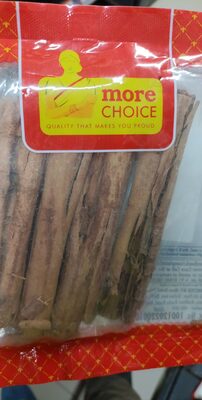
Cassia is hotter, stronger, and more aggressive—the bold note many of us associate with American-style cinnamon rolls or robust North Indian meat curries. True cinnamon is lighter, sweeter, more floral and citrusy, better suited to subtle dishes, desserts, or everyday use where you want aroma without overpowering heat.
| Parameter | Cinnamon | Cassia |
|---|---|---|
| Taste | Cinnamon is sweet and delicate. | Cassia is strong to peppery |
| Colour | Cinnamon is a light brown/ tan color. | Cassia is a reddish brown to dark brown. |
| Look | Cinnamon sticks curl from one side only and roll up like a newspaper. Real Cinnamon from Ceylon (Cinnamomum zeylanicum) is filled like a cigar | Cassia bark is thicker because its outer layer is stripped off. For that reason, Cassia sticks curl inward from both sides toward the centre as they dry. Cassia has a hollow tube |
| Feel | Cinnamon bark is smooth | The surface of Cassia is rough and uneven. |
| Grown in | India, Srilanka. | China, Vietnam, Indonesia. |
| Coumarin Content | Low | High |
The most important practical difference is coumarin, a natural plant compound. Cassia contains significantly higher levels—commonly reported in the range of roughly 0.8% to several percent by weight, sometimes reaching higher values—while true cinnamon contains only trace amounts, often around 0.004% or roughly 250 times less. High intake of coumarin over time can stress the liver. For people who use cinnamon daily in chai, oatmeal, or therapeutic amounts for blood-sugar support, the lower-coumarin true cinnamon is the safer choice.
The Food Safety and Standards Authority of India (FSSAI) sets separate standards for cinnamon (dalchini) and cassia (taj). To prevent cheap cassia from being sold or mixed as true cinnamon, FSSAI amended the cinnamon standard to include a maximum permissible coumarin limit of not more than 0.3% by weight. This helps laboratories and authorities differentiate the two, because cassia typically exceeds that threshold while true cinnamon stays well below it. Guidance notes and surveillance drives have repeatedly highlighted the need to check both whole sticks and powder for misbranding or adulteration.
Favour whole sticks or pieces over pre-ground powder whenever possible. Powder is more convenient but easier to bulk with non-nutritive fillers or to mix species without clear labelling. When you buy whole, you can inspect the layers and texture yourself. Look for labels that specify “Ceylon,” “true cinnamon,” or “Cinnamomum verum / zeylanicum.”
In traditional Indian recipes that call for slow infusion—biryani, korma, or simmered dals—whole sticks release flavour gradually and can be removed before serving. For daily tea or light seasoning, the milder true cinnamon keeps the taste refined and the coumarin load low.
Both types deliver the characteristic warmth that has made cinnamon a staple across Indian regional kitchens and Ayurvedic practice for centuries. Cassia brings bold intensity when a dish needs it; true cinnamon offers subtlety and greater safety for regular use.
The next time you reach for that jar or packet of dalchini, a quick check of the stick or the label turns a common spice into a more informed, flavourful, and safer part of the meal.
co-written with Grok



Comments
Post a Comment