How Much Cardamom Is in Elaichi Rusks? A Label-Based Analysis
Walk down the rusk aisle in any supermarket and you'll be greeted with cheerful promises of "Real Elaichi".
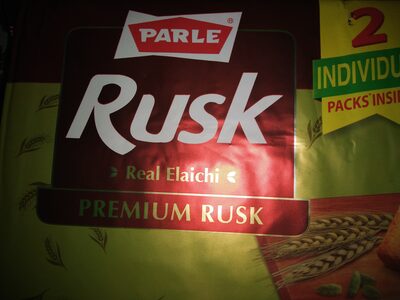
Pictures of green cardamom pods, comforting cups of chai, and words like Premium and Authentic practically guarantee a fragrant tea-time experience.
Then comes the ingredient list.
It turns out that in several products, the real elaichi is indeed present... just perhaps not quite as prominently as the front of the pack might lead one to imagine.
Before going any further, an important disclaimer:
The ingredient data below comes from product labels available on Open Food Facts, a community-maintained food database & Amazon India. Manufacturers may reformulate products over time, so the current product in the market may differ from the information presented here. Always refer to the label on the pack you purchase.Based on the ingredient declarations:
| Product | Declared cardamom content |
|---|---|
| Tata Soulfull Rusk Elaichi | 0.3% cardamom seeds |
| Kanha Elaichi Rusk | 0.2% cardamom seeds + 0.5% cardamom oil |
| Royal Toast Toasted Bread | 0.1% cardamom seeds |
| Parle Real Premium Elaichi Rusk | 0.08% cardamom seeds + added artificial cardamom flavour |
Looking at these numbers raises an interesting question.
When a pack proudly proclaims "Real Elaichi", what does the average consumer picture?
A generous sprinkle of freshly crushed cardamom or a minuscule quantity to justify the claim on the front of the pack?
To be fair, the brands aren't making a false claim.
There is real cardamom in these products.
The interesting part is simply how much.
Food labels list ingredients in descending order of weight, and cardamom appears quite low down the list—hardly surprising given that it is an expensive spice and very potent.
In other words, the "Real Elaichi" claim is technically accurate.
It just happens that the elaichi is playing more of a cameo role than the lead actor.
There are reasonable explanations.
Cardamom is:
- one of the world's costliest spices,
- intensely aromatic,
- capable of imparting flavour even in small quantities.
Manufacturers therefore often use:
- small amounts of real cardamom,
- cardamom oil,
- or flavouring substances to achieve a consistent taste at an affordable price.
From a product development perspective, this makes economic and technical sense.
A lesson in reading ingredient labels
The takeaway isn't that these products are misleading.
Rather, it's a reminder that front-of-pack claims and ingredient lists tell different parts of the story.
The front of the pack tells us what is present.
The ingredient list tells us how much—or at least gives us clues when percentages are declared.
For anyone curious about what's actually in their food, those few lines of fine print often prove more interesting than the marketing copy.
And perhaps that's the real moral of the story:
Sometimes, the elaichi isn't missing.
It's simply very, very good at keeping a low profile.


Comments
Post a Comment