Alpino's High Protein Super Oats Chocolate Gets A Protein Glow-Up With More Soya
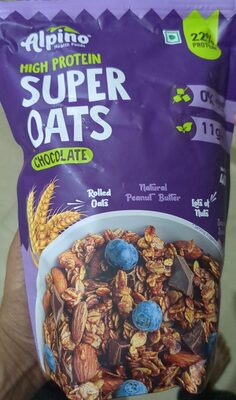

| Ingredient | 2024 Formula | 2026 Formula | Change |
|---|---|---|---|
| Rolled Oats | 61% Rolled Oats | 51.6% Rolled Jumbo Oats | ⬇ Reduced by 9.4% |
| Peanut Butter | 22% Unsweetened Peanut Butter | 22% Natural Peanut Butter | No Change |
| Soya Protein | 9% Textured Soya Protein | 15.2% Protein Blend (Texturized Soya Protein + Soya Nuggets) | ⬆ Increased by 6.2% |
| Cocoa Powder | Present (amount not specified) | 5% | Percentage now declared |
| Dry Fruits & Seeds | Almond, Raisin, Sunflower Seeds | 6% Almond Slices, Raisins, Sunflower Seeds | Percentage specified |
| Sweetener | Monk Fruit Extract | Monk Fruit Powder + Stevia Powder | Stevia added |
| Antioxidant | Rosemary Extract | Rosemary Extract | No Change |
| Advertised Protein Content | 22% | 25% | ⬆ Increased by 3 percentage points |


The result? Alpino can now proudly advertise 25% protein instead of the earlier 22%. It's a clever reformulation—lesser oats, more soya, and just enough extra plant protein to earn a bigger number on the front of the pack.
To be fair, there's nothing inherently wrong with adding soya. Soya is an excellent source of plant protein and is widely used in high-protein foods. But it's a reminder that when a product suddenly boasts more protein, it isn't always because the oats became stronger overnight—it may simply be that the soya decided to do more of the heavy lifting!
So the next time you see that bold "25% Protein" claim, there's a good chance that the secret ingredient behind the marketing muscle: a generous helping of extra soya.
Co-written with ChatGPT


Comments
Post a Comment