What is Gulkand? Everything You Need to Know About This Sweet Treat
Gulkand is a sugary preserve made of rose petals.
It is a popular, deeply aromatic delicacy widely consumed across the Indian subcontinent.
How People Eat It
Because of its intensely sweet and floral profile, people use it in a variety of ways:
It is a popular, deeply aromatic delicacy widely consumed across the Indian subcontinent.
The word originates from Persian, where gul means rose and qand means sweet/sugar. Essentially, it is a traditional rose petal jam.
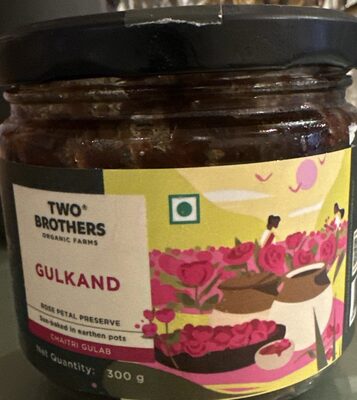 |
| Image: Open Food Facts |
What Exactly Is It?
Gulkand is made by layering fresh, fragrant rose petals (traditionally Damask or desi roses) with sugar or honey in a glass jar. The jar is then left out in the sun for several weeks to naturally ferment and cook, turning the mixture into a thick, sweet, and highly flavorful paste. No artificial additives needed.
Gulkand is made by layering fresh, fragrant rose petals (traditionally Damask or desi roses) with sugar or honey in a glass jar. The jar is then left out in the sun for several weeks to naturally ferment and cook, turning the mixture into a thick, sweet, and highly flavorful paste. No artificial additives needed.
Rose petals are the core ingredient. High-quality versions use fragrant petals almost exclusively, sometimes with minor additions like cardamom, saffron, or fennel for depth. The petals provide the signature rosy flavor, color, and bioactive compounds.
The slow sugar infusion creates a unique semi-solid texture — petal pieces suspended in a fragrant syrup — that’s stable for months/years.
Premium/organic Gulkand often ranges from ₹300–600+ for 500g, or higher for specialty brands using specific rose varieties and traditional sun-drying methods. The cost comes from labor-intensive petal collection (roses must be harvested at peak fragrance, usually early morning), seasonal availability, and gentle processing that preserves delicate volatiles.
Homemade is far more economical if you have access to fresh, unsprayed roses — just petals + sugar in a 1:1 or 1:0.75 ratio, sun-steeped for days.
Compared to regular fruit jams, yes, it feels rather expensive because of the high petal-to-sugar ratio and the heritage value.
How People Eat It
Because of its intensely sweet and floral profile, people use it in a variety of ways:
- Direct Consumption: Eating a teaspoon of it straight out of the jar as a post-meal treat.
- In Paan: It is the star ingredient inside meetha paan (sweet betel leaf preparation).
- Desserts & Drinks: Mixed into milkshakes, lassis, ice creams, faloodas, or used as a sweet filling inside cookies and sweets like kaju katli.
- With Milk: Dissolved in warm milk at night as a traditional digestive aid.
Why It’s Eaten (The Ayurvedic Connection)
In Ayurveda and Unani systems of medicine, gulkand is revered as a powerful natural coolant.
Health Benefits: It is widely used to lower excess body heat (Pitta), which helps combat summer lethargy, nosebleeds, and burning sensations in the palms or soles. It is also packed with antioxidants, acts as a mild laxative to prevent constipation, and can help soothe stomach acidity or mouth ulcers. The rich antioxidants from rose polyphenols boost its overall health benefits.
A Quick Caution: Because traditional gulkand contains a very high concentration of sugar, it should be consumed in moderation, and individuals with diabetes should opt for sugar-free or stevia-based variants.
In Ayurveda and Unani systems of medicine, gulkand is revered as a powerful natural coolant.
Health Benefits: It is widely used to lower excess body heat (Pitta), which helps combat summer lethargy, nosebleeds, and burning sensations in the palms or soles. It is also packed with antioxidants, acts as a mild laxative to prevent constipation, and can help soothe stomach acidity or mouth ulcers. The rich antioxidants from rose polyphenols boost its overall health benefits.
A Quick Caution: Because traditional gulkand contains a very high concentration of sugar, it should be consumed in moderation, and individuals with diabetes should opt for sugar-free or stevia-based variants.
Co-written with Gemini


Comments
Post a Comment