Proteins
Our body requires protein for the replenishment of muscle tissue, skin, bone matter, hair and nails.
Proteins are made up of 20 different amino acids, some of which are synthesized within the body (non-essential) while some are not synthesized in the body (essential amino acids).
Our body can make 11 on its own but the other 9 essential amino acids have to come from food because your body lacks the genetic code to synthesize them from scratch. You must eat them to survive.
The most famous and easiest way to remember all nine is the phrase:

"PVT TIM HALL"
(Read as: Private Tim Hall)

| Letter | Amino Acid | Memory Hook/Function |
| P | Phenylalanine | Think "Phone" — used for brain signaling (dopamine). |
| V | Valine | A "Branch-Chain" (BCAA) for muscle growth. |
| T | Threonine | Think "Thread" — helps make collagen/connective tissue. |
| T | Tryptophan | The "Turkey" chemical — makes serotonin and melatonin. |
| I | Isoleucine | Another BCAA — critical for immune function. |
| M | Methionine | Think "Metabolism" — contains sulfur; helps skin/hair. |
| H | Histidine | Think "Histamine" — vital for your immune response. |
| A | Arginine* | Note: Often essential only for children, but usually included. |
| L | Leucine | The "King" of BCAAs — triggers muscle protein synthesis. |
| L | Lysine | Crucial for calcium absorption and bone health. |
Categories:
- "BCAAs" (Branched-Chain Amino Acids) are the primary builders of muscle tissue - Leucine, Isoleucine, and Valine.
- "Aromatics" have a ring structure and are mostly responsible for your mood and brain function - Phenylalanine and Tryptophan.
Food Sources:
Histidine was once thought to be essential only for infants. Modern science confirms it is essential for adults too.
- Animal proteins (meat, eggs, dairy) are "Complete"—they contain all 9 in the right proportions.
- Plant proteins are often "Incomplete" (missing one or two). For example, grains are usually low in Lysine, and legumes are low in Methionine. This is why "Rice and Beans" is a classic combo; they complete each other's amino acid profiles.
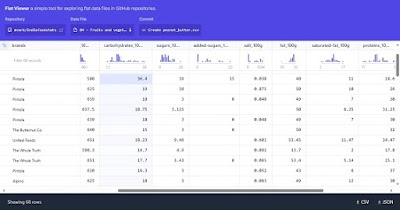
Check the Protein Price Calculator to compare and choose from 40+ Protein Sources across different food groups and brands
Protein affects the release of various appetite-regulating hormones such as leptin, increasing feelings of fullness. Unfortunately taking the fullness hormone, leptin as a drug doesn't help obesity.


Comments
Post a Comment