Sattu vs. Besan: The Tale of Two Flours
Both Sattu and Besan originate from Bengal gram (chana or chickpeas) but the fundamental difference between them lies in the processing of the grain before it is ground into flour, which completely changes their flavor, digestibility, and usage.
Nutritional Profile of Bengal Gram (Raw, per 100g)
| Nutrient | Amount (per 100 g) |
|---|---|
| Energy | 364 kcal |
| Protein | 20.5 g |
| Carbohydrates | 60.0 g |
| Dietary Fiber | 13.0 g |
| Total Fat | 6.0 g |
| Calcium | 157 mg |
| Iron | 4.0 mg |
| Magnesium | 160 mg |
| Folate (B9) | 250 mcg |
| Vitamin B6 | 0.5 mg |
The roasting process used for sattu gives it a longer shelf life and a distinct aroma that raw besan lacks. This roasting also neutralizes certain "anti-nutrients" (like phytic acid) found in raw legumes.
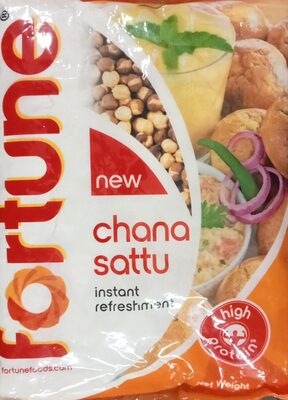
So, while both come from gram, sattu = roasted flour and besan = raw flour. They’re cousins, not twins.
| Feature | Sattu | Besan |
|---|---|---|
| Source | Roasted Bengal gram (sometimes mixed with barley or other grains) | Raw Bengal gram (chana dal) |
| Processing | Dry‑roasted, then ground into flour | Raw dal ground directly into flour |
| Texture & Color | Coarse, light brown, nutty aroma | Fine, yellow, raw pulse aroma |
| Taste | Earthy, roasted, slightly sweet | Stronger, raw pulse flavor |
| Cooking | Pre-cooked. It can be consumed directly without further heating. | Raw. It must be cooked (boiled, fried, or roasted) before eating. |
| Common Uses | Drinks (sattu sharbat), parathas, laddoos, energy mixes | Pakoras, chillas, laddoos, gravies, batters |
| Digestibility | Easier to digest (roasting reduces antinutrients) | Heavier, can cause bloating if eaten in excess |
| Nutrition | High protein, fiber, cooling, hydrating | High protein, versatile, rich in folate & iron |
If you try to drink raw besan in water like sattu, it will taste unpleasant and likely cause a stomach ache, whereas sattu is designed specifically for that purpose.
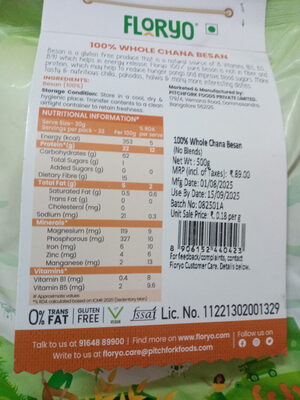 |
| Images - OpenFoodFacts.org |
Because it is pre-cooked, you can stir sattu into water, buttermilk, or milk for an instant high-protein "shake."
In India, traditional beliefs sometimes caution against certain foods (like pulses, brinjal, or sattu) during fracture recovery, fearing “pus formation” or “delayed healing.”
Modern medical literature does not support these claims. The idea that "heavy" or "dry" foods like chana cause infections likely stems from a misunderstanding of inflammation and digestion. Infections are caused by bacteria (usually from the skin or external environment), not by legumes.


Comments
Post a Comment