Food companies often update their recipes to improve taste, cost, shelf life, or nutrition. Sometimes they make small changes to the ingredients while keeping the same barcode and product name. This can confuse customers who expect the exact same formula every time.
A good example is
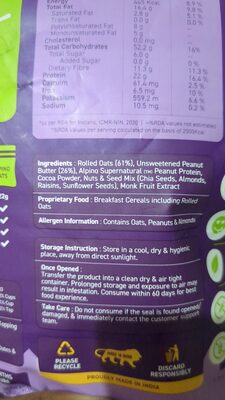
Alpino Super Oats Chocolate (Barcode: 8906127551086).
 |
| Label showing ingredients in March 2026 |
Here’s what changed between the old and new version:
| Aspect |
Old Formula (2024) |
New Formula (2026) |
| Rolled Oats |
61% |
61% |
| Unsweetened Peanut Butter |
26% |
22% |
| Protein Source |
Alpino Supernatural Peanut Protein |
Textured Soya Protein (9%) |
| Nuts & Seed Mix |
Chia Seeds, Almonds, Raisins, Sunflower Seeds |
Almond, Raisin, Sunflower Seeds (no chia) |
| Cocoa Powder |
Yes |
Yes |
| Monk Fruit Extract |
Yes |
Yes |
| Rosemary Extract |
Not present |
Added (as preservative) |
What Does This Mean? - They reduced the amount of peanut butter.
- They replaced the peanut protein with textured soya protein (a cheaper plant-based protein).
- They removed chia seeds from the mix.
- They added rosemary extract, which is a natural preservative to help the product last longer.
Even though the barcode stayed the same, the actual recipe is now a bit different. This is a common practice called silent reformulation.
Tip for consumers: Always check the ingredients list on the back, even if you’ve bought the same product many times before. Small changes like this can affect taste, nutrition,
allergens (soya is a new allergen here), or how healthy the product feels.


Comments
Post a Comment